Welcome to Migori Technical and Vocational College
Empowering Skills, Shaping Futures
About Us
Migori Technical and Vocational College is committed to providing quality technical and vocational education that equips students with practical skills, knowledge, and the right attitude to thrive in today’s competitive job market. The college focuses on innovation, hands-on training, and industry-driven learning to prepare graduates for employment, entrepreneurship, and community development.
Vision
“To be a center of excellence in technical and vocational education and training, producing competent and innovative graduates for sustainable development.”
Mission
“To provide accessible, high-quality technical and vocational education and training that empowers learners with practical skills, ethical values, and entrepreneurial competence to meet the demands of industry and society.”
Our Core Values
Excellence – Striving for the highest standards in education and training.
Integrity – Upholding honesty, professionalism, and ethical conduct.
Innovation – Encouraging creativity and problem-solving in technical fields.
Inclusivity – Promoting equal opportunities for all learners.
Practical Skills – Focusing on hands-on experience and industry relevance.
Why Choose Us?
Modern workshops and laboratories for practical learning.
Experienced and dedicated instructors.
Industry-oriented programs that enhance employability.
Supportive learning environment with mentorship programs.
Strong emphasis on innovation, entrepreneurship, and technical excellence.
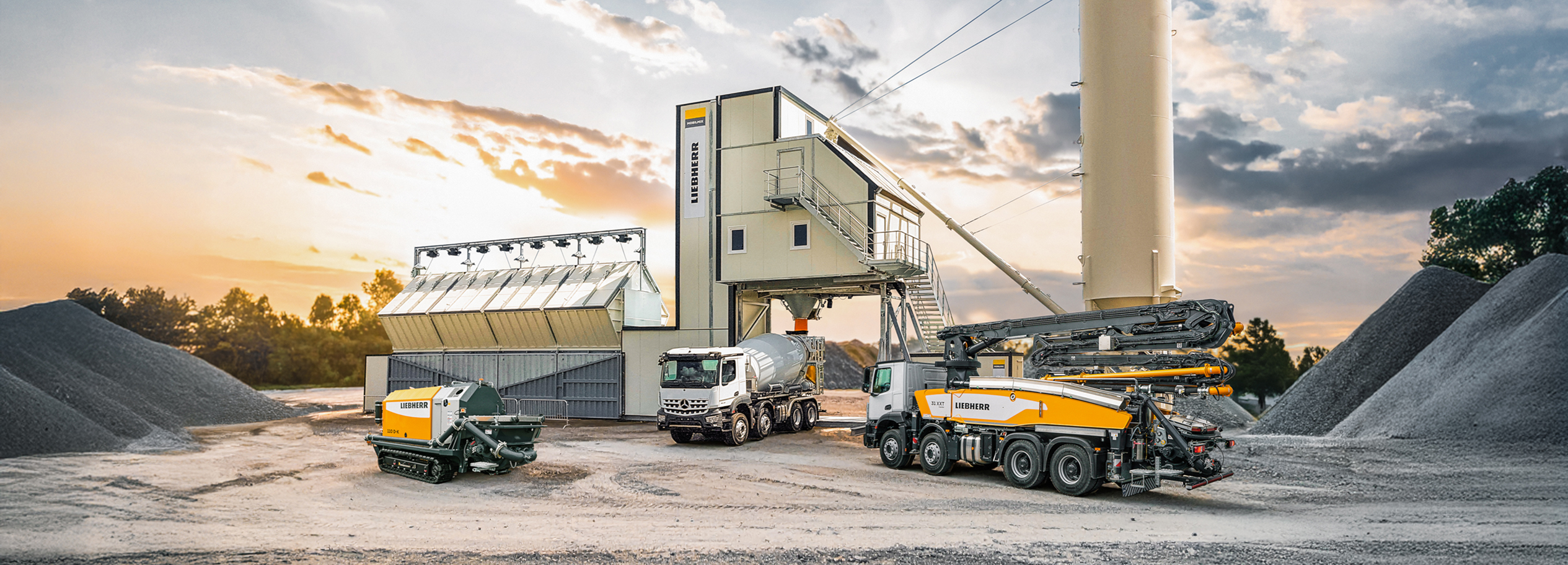
Concrete Technology I is a branch of civil engineering that focuses on the properties, production, and use of concrete as a construction material. It introduces students to the fundamental concepts needed to produce durable and strong concrete for construction projects.
The course covers topics such as:
Constituents of concrete – cement, water, aggregates, and admixtures.
Mixing and proportioning – how to combine materials to achieve desired strength and workability.
Properties of fresh and hardened concrete – workability, setting time, strength, and durability.
Curing of concrete – methods to maintain moisture for proper hardening.
Common defects in concrete – cracking, shrinkage, and ways to prevent them.
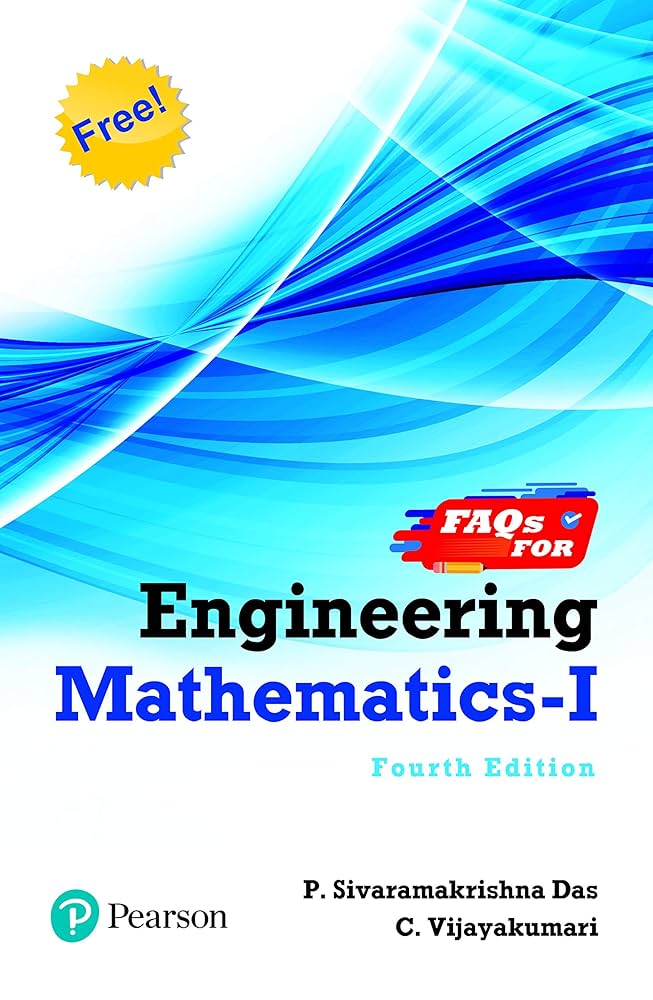
Engineering Mathematics I is a course in engineering that introduces students to the basic mathematical concepts and techniques used to solve engineering problems. It provides the foundation for analyzing calculations related to engineering design, measurements, and technical analysis.
The course mainly focuses on topics such as algebra, trigonometry, logarithms, matrices, and basic calculus, which are important for solving practical engineering calculations.
Engineering Mathematics I helps students develop problem-solving skills, logical thinking, and numerical accuracy required in different engineering fields.
Structures I in Civil Engineering is a course that introduces students to the basic principles of structural analysis and how different forces affect structures such as buildings, bridges, and towers.
The subject focuses on understanding how structural members like beams, columns, and trusses behave when loads are applied. It teaches how to analyze forces, reactions, and stresses to ensure that structures are safe, stable, and strong enough to carry loads.
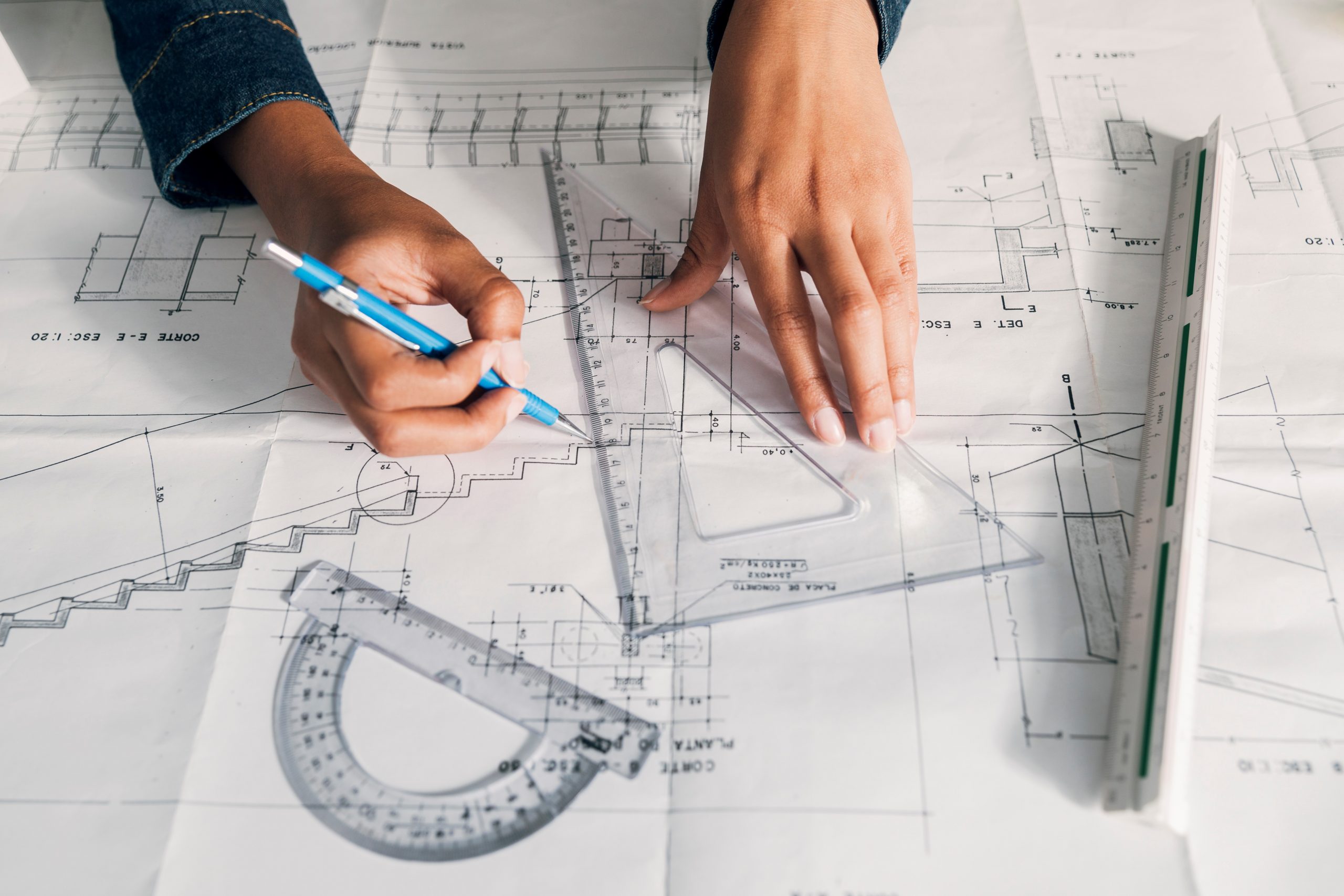
Technical Drawing is the practice of creating accurate and detailed drawings used to communicate the design and construction of objects, buildings, or machines. It uses standard symbols, scales, and drawing instruments so that engineers, architects, and technicians can clearly understand how something should be made or built.
Technical drawing includes the preparation of plans, elevations, sections, and detailed diagrams that show the shape, size, and dimensions of an object or structure.
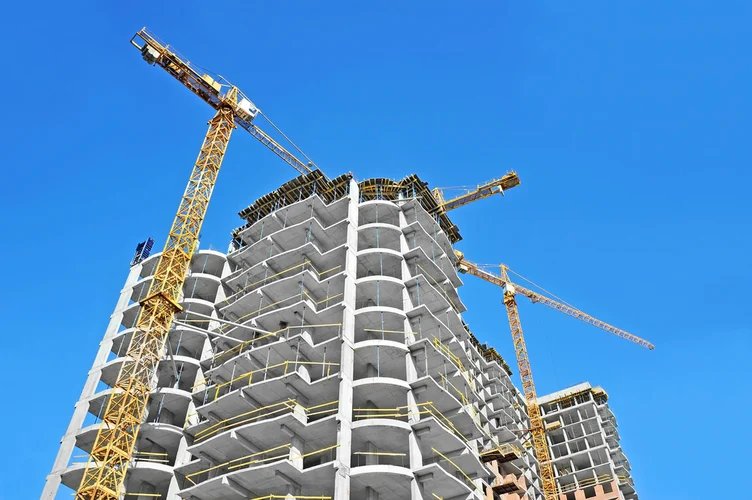
General Building Construction refers to the process of planning, designing, and constructing buildings such as houses, schools, offices, and other structures. It involves the use of materials, tools, and skilled labor to create safe, stable, and functional structures.
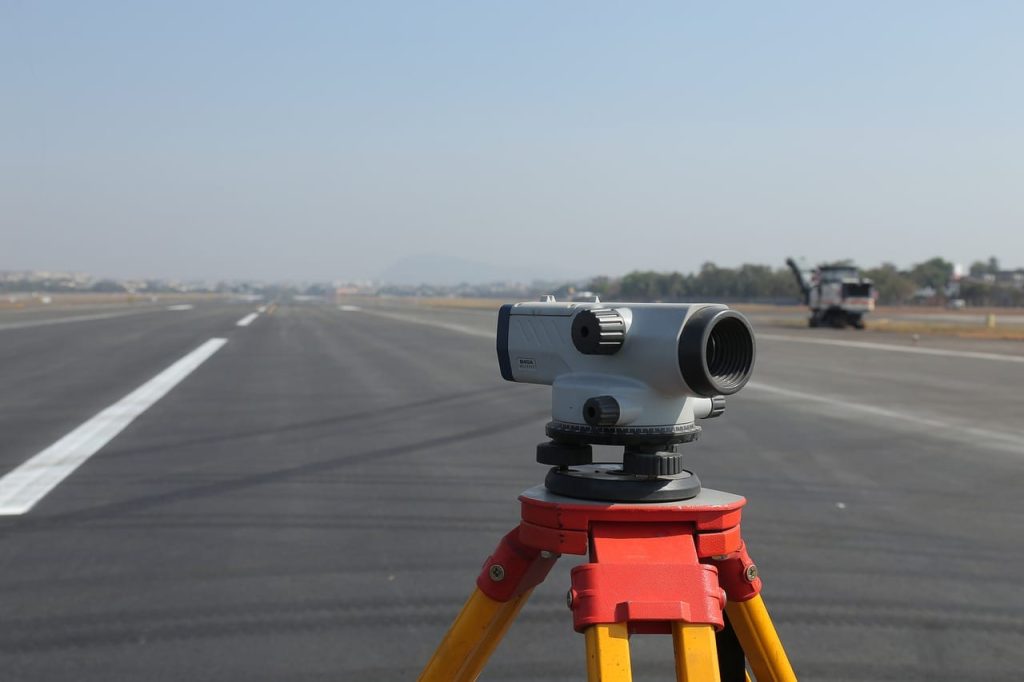
Engineering surveying is a branch of surveying that deals with collecting measurements and data needed for the planning, design, construction, and maintenance of engineering projects. It ensures that structures are built in the correct position, level, and alignment according to the design plans.
It involves activities such as:
Measuring land and distances where construction will take place.
Determining elevations and positions of points on the ground.
Setting out construction works like roads, bridges, buildings, and dams.
Monitoring structures to ensure they remain stable and correctly positioned.